Wholesale Pulses Buying Guide for Retailers: How to Source Dal in Bulk
A practical guide to buying pulses wholesale: compare dal varieties, quality, moisture, cleanliness, broken percentage, samples, storage, landed cost and supplier terms.
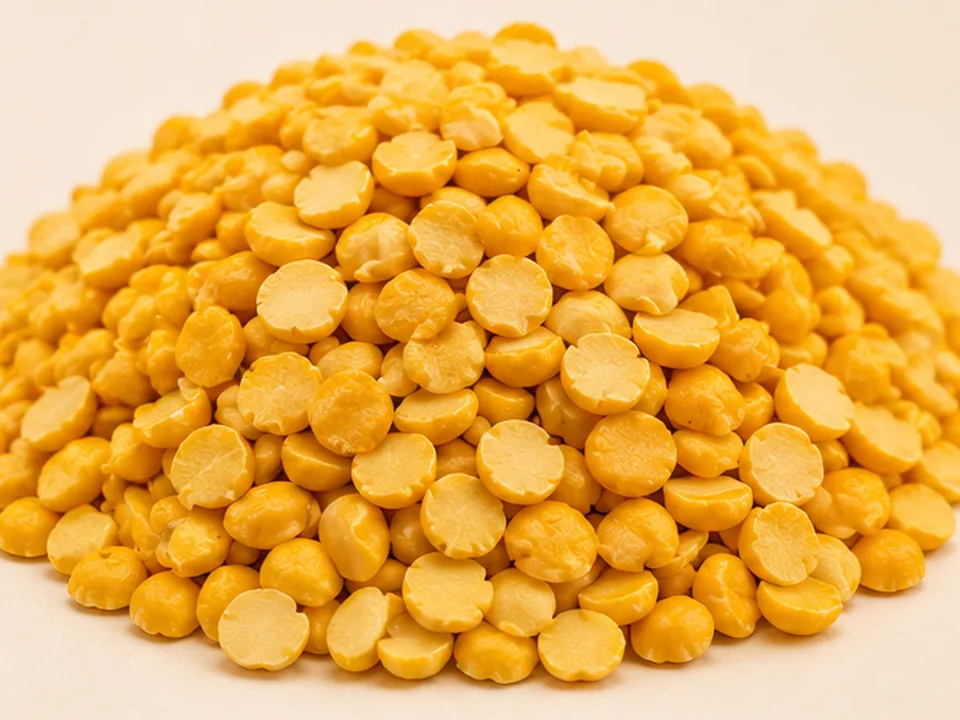
Wholesale pulses: a smarter buying process for retailers
Pulses are staple products for grocery shops, supermarkets, provision stores, wholesalers, distributors, caterers and institutional kitchens. Depending on the customer base, a retailer may stock toor dal, urad dal, chana dal, moong dal, roasted gram and chickpeas, among other products.
A wholesale purchase should be evaluated on more than the price per kilogram. Product variety, processing form, cleanliness, moisture, broken or damaged proportion, uniformity, packing, storage condition, delivery cost and repeat supply all affect the value of the order. This guide explains how to build a reliable pulses procurement routine.
Choose the pulse varieties that match your customers
Begin with the products your customers buy regularly. A neighbourhood grocery shop may need everyday cooking dals, while a restaurant supplier or distributor may require larger quantities and a different product mix.
- Toor dal: often purchased for everyday dal, sambar and other regional dishes.
- Urad dal: used in idli and dosa batter, vada and other preparations; whole, split and skinned forms serve different needs.
- Chana dal: used in cooking, snacks and food preparation; confirm the exact product form.
- Moong dal: available in different forms, including whole and split varieties; identify the form your customers expect.
- Roasted gram: commonly sold as a snack or used in chutneys and food preparation; distinguish it from raw gram products.
- Chickpeas: confirm whether the requirement is kabuli chana, desi chana or another specified type.
Product names can be used differently in everyday trade. State the exact variety and form in the purchase order to avoid receiving a similar but unsuitable product.
Specify the product clearly
A useful pulse specification should identify the variety, whole or split form, skin status where relevant, size or grade if required, cleaning condition, intended use and packing. If your business has a particular quality expectation, write it down instead of relying on a general label such as ‘premium’ or ‘super quality’.
Quality checks for bulk pulses
Appearance and uniformity
Look for a reasonably consistent appearance for the product category. Check whether grains are similar in size and colour, and whether there is an unusual amount of shrivelled, discoloured or damaged material. Natural variation can occur, so agree on a realistic specification.
Cleanliness and foreign matter
Inspect for stones, soil, husk, stems, dust and other foreign material. Ask what cleaning process is used and whether the supplier has a written specification or test result for foreign matter. Do not assume ‘cleaned’ means the same thing for every supplier.
Broken and damaged grains
The acceptable broken percentage depends on the pulse, grade and intended use. A retailer selling whole grains may need a stricter visual standard than a processor. If broken percentage matters, agree on a sampling and measurement method.
Moisture and storage condition
Moisture can affect storage stability and the risk of spoilage or pest problems. If you require a moisture limit, state the limit and test method in the purchase specification. Check bags for damp patches, condensation, water damage or musty odour.
Pests and unusual odour
Inspect for visible insects, webbing, holes in bags, infestation signs and unusual smells. If a lot shows signs of infestation or moisture damage, isolate it and follow your business’s food safety and supplier complaint procedures.
Cooking or processing suitability
For institutional kitchens or food processors, the pulse may need to meet a functional requirement such as cooking performance, batter preparation or recipe consistency. Where this matters, test a representative sample using your own standard preparation method before approving a large order.
Request and approve a representative sample
A sample helps you assess whether the product suits your customers and operation. Ask whether it is taken from the current bulk lot. For important repeat purchases, retain an approved reference sample and record the supplier, date, product description and lot information.
- Confirm the exact variety and form before the sample is sent.
- Inspect appearance, uniformity, cleanliness and damaged grains.
- Check for pests, unusual odour or signs of moisture damage.
- If cooking performance matters, prepare the sample using your normal process.
- Agree on the specification and how any variation will be handled.
Compare wholesale quotations using landed cost
Compare quotations for the same variety, form, quality description, quantity, pack size and destination. Add freight, packing, handling and other applicable charges to the product price. Calculate landed cost per net kilogram and include repacking, storage and wastage costs when estimating your retail margin.
A lower quote may reflect a different variety, grade, cleaning level, packing or delivery arrangement. Ask questions before deciding that one supplier is cheaper.
Decide how much stock to buy
The right order quantity depends on sales velocity, available storage, cash flow, supplier lead time and the product’s storage behaviour. Buying too little can cause stockouts; buying too much can tie up working capital and increase exposure to moisture, pests or quality loss.
Use a simple reorder point: average daily sales × supplier lead time + safety stock. Review this number for festival periods, seasonal demand, changes in customer orders and variations in transport time. Track each pulse separately because demand and turnover can differ.
Pack and store pulses carefully
Check that bags are intact, appropriately closed and clearly identified. Store pulses in a clean, dry, pest-managed area, off the floor and away from damp walls, water leaks, direct sunlight and strong odours. Keep opened bags closed in suitable food-grade containers. Do not mix new deliveries into old stock without cleaning the container and recording the stock movement.
Use stock rotation and inspect inventory regularly. Look for damaged packaging, moisture, pest activity and unusual odours. Keep a record of supplier, invoice, delivery date and lot or batch information where provided.
Verify supplier terms before confirming
- Exact pulse variety and form
- Grade or quality specification
- Minimum order quantity and order multiples
- Net weight and pack type
- Current price and quotation validity
- Taxes, freight and other charges
- Dispatch point and estimated transit
- Payment terms and invoice details
- Procedure and timeline for reporting quality issues
Ask the supplier to confirm the final order details in writing. For recurring purchases, review supplier performance periodically and document any specification changes.
Food safety and compliance considerations
Food businesses in India should check the FSSAI requirements applicable to their activity. Retailing sealed goods, repacking, processing, manufacturing and distributing can involve different responsibilities. Hygiene, pest control, storage, packaging and labelling obligations should be reviewed against current regulations and the exact nature of the business.
Use official FSSAI guidance as a starting point and consult the relevant authority or a qualified compliance professional for business-specific obligations. Do not assume that a supplier’s licence or documentation automatically covers the retailer’s own activities.
A retailer’s incoming-stock checklist
- Product name, variety and form match the order
- Bag count and net weight verified
- Packaging intact and dry
- No visible infestation or unusual odour
- Appearance and cleanliness checked
- Sample/specification comparison completed
- Invoice and supplier details recorded
- Lot or batch information recorded where available
- Any discrepancy reported promptly
Wholesale pulses from Mavi Traders
Every pulse we sell comes in 30 kg bags (minimum one bag) and in resale packs from 250 g to 15 kg. These are the exact forms we supply:
| Product | Form we sell |
|---|---|
| Toor dal | Polished split toor dal |
| Urad dal | White (husked) urad dal – no whole black urad |
| Chana dal | Split chana dal |
| Moong dal | Yellow split moong dal – no whole green moong |
| Roasted gram | Split roasted gram (pottukadalai) |
| Chickpeas | White kabuli chana and black chickpeas (kala chana) |
Rates are updated every morning. You can mix pulses and spices in one order, pay by UPI and we dispatch within 24 hours of payment confirmation. Wholesale bags travel by A1 Transport or MSS Transport within Tamil Nadu and Kerala and by VRL Logistics to the rest of India; transport charges are paid separately.
Frequently asked questions
Which pulses should a grocery retailer buy wholesale?
Choose products based on customer demand and sales history. Common options include toor dal, urad dal, chana dal, moong dal, roasted gram and chickpeas. Specify the exact variety and form for each item.
What should I check when buying dal in bulk?
Check product identity, form, appearance, uniformity, cleanliness, foreign matter, broken or damaged grains, moisture, pests, odour, packing, net weight and the agreed specification.
Is a lower wholesale price always better?
No. Compare the same variety, form and quality specification, then calculate landed cost after freight, packing and other charges. Consider storage, wastage and customer acceptance.
How should bulk pulses be stored in a grocery shop?
Store them in a clean, dry and pest-managed area, off the floor and away from dampness, direct sunlight and strong odours. Keep opened bags closed and rotate stock.
Can I buy different types of pulses in one wholesale order?
Ask the supplier about current availability and minimum quantities. At Mavi Traders you can mix any pulses and spices in one order, with a minimum of one bag per product.
How do I get a wholesale pulses quotation from Mavi Traders?
Today's per-kg rate for every pulse is on the wholesale pulses page, and the 30 kg bag price is shown before you pay. For large quantities, message us on WhatsApp with the products, number of bags and delivery PIN code.
More buying guides
 How to Buy Wholesale Spices for a Grocery BusinessA step-by-step sourcing, stock and reorder system for grocery and provision stores.Read the guide →
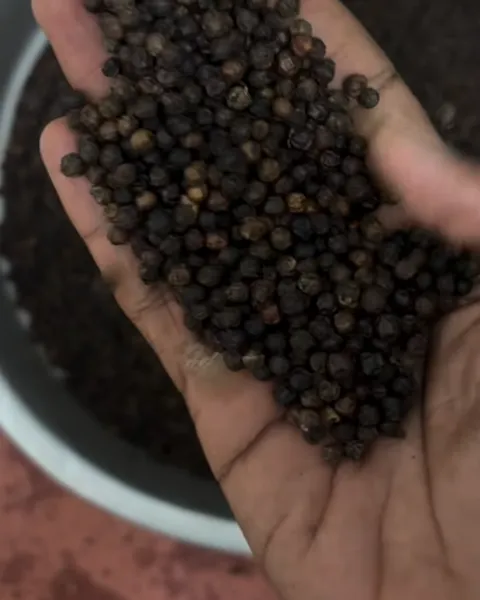 Black Pepper Wholesale Buying GuideHow to compare grades, samples, packing and landed cost before you order black pepper in bulk.Read the guide →
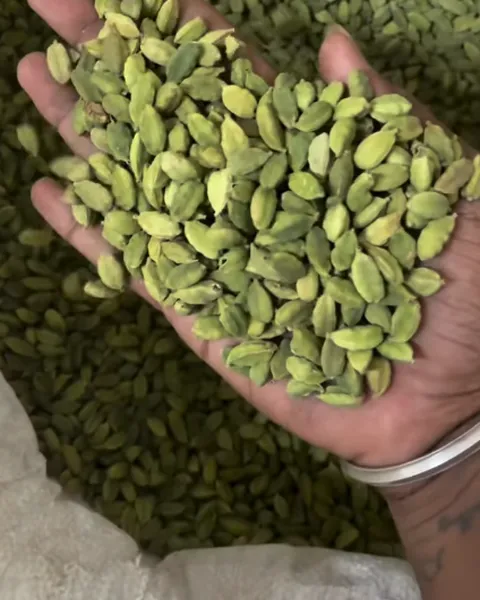 Green Cardamom Wholesale Buying GuidePod size, colour, aroma, splits and landed cost: what to check before buying elaichi in bulk.Read the guide →