
Black Pepper Wholesale Buying Guide: How Bulk Buyers Can Choose the Right Lot
Buying black pepper in bulk? Learn how to compare grades, size, aroma, cleanliness, moisture, samples, packing and landed cost before choosing a wholesale supplier in India.
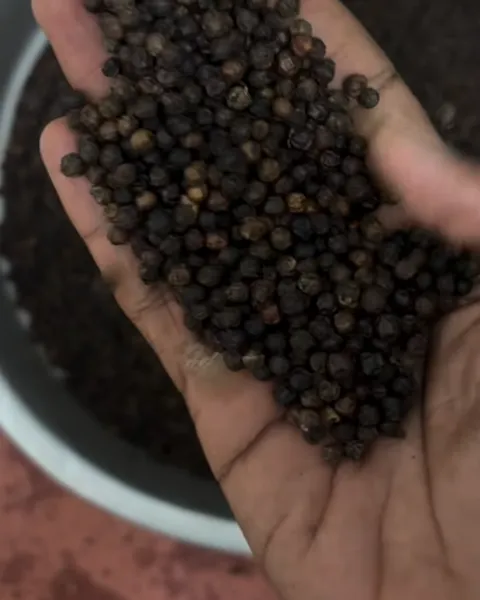
Black pepper wholesale: start with the right buying decision
Black pepper is a core spice for grocery retailers, masala manufacturers, food-service businesses, distributors and regional wholesalers. When you buy in bulk, the lowest quoted price is not automatically the best deal. The value of a lot depends on its physical characteristics, cleanliness, aroma, consistency, packing, transport cost and suitability for your customers or production process.
A sound wholesale purchase begins by defining the use case. A retailer selling whole spices may prioritise appearance and customer preference. A masala processor may focus more on aroma, consistency and processing suitability. A distributor may need repeatable specifications across orders. This guide explains what to check before placing a bulk black pepper order.
Define the purpose and quantity before asking for a quote
Tell the supplier whether the pepper is intended for resale as whole spice, repacking, grinding, masala production or food-service use. The intended use helps both sides discuss an appropriate grade and specification.
- Estimate your requirement per order and per month. A one-time purchase and a repeat monthly requirement may need different planning.
- Confirm the required quantity in kilograms, preferred pack size and whether you need one consistent lot or multiple lots.
- Share your destination PIN code and preferred delivery arrangement so the supplier can calculate practical landed cost.
- Ask whether the quoted price is ex-warehouse, ex-dispatch point or inclusive of freight, taxes and other charges.
For a fair comparison, ask every supplier to quote against the same quantity, grade description, packing and delivery destination. Comparing unlike quotations can make a cheaper offer look better than it really is.
Understand what ‘grade’ means in a wholesale conversation
Black pepper is sold using different trade descriptions and grade names. Buyers may encounter terms relating to size, density, appearance, cleaning or a supplier’s own sorting categories. The exact meaning of a label can differ between markets and suppliers. Do not assume that a grade name alone guarantees a fixed specification.
Ask the supplier to explain the grade in measurable or observable terms: approximate size range, proportion of light or shrivelled berries, visible foreign matter, broken berries, colour, aroma and any agreed moisture or density specification. If a supplier uses names such as Small, Mixed, Bold or Extra Bold, request the written lot specification behind that name.
The key quality checks for whole black pepper
Berry size and uniformity
Check whether the lot is reasonably consistent in size for the grade ordered. Uniformity can matter for retail presentation, sorting, packing and customer expectations. A larger berry is not automatically better for every application; suitability depends on the intended use and agreed specification.
Density and proportion of light berries
Ask how the supplier assesses density or light berries, and whether a sample can be checked against the agreed specification. Density-related measures may be relevant to some trade grades, but visual inspection alone does not establish a formal grade.
Cleanliness and foreign matter
Inspect for visible stones, stems, dust, damaged material and other foreign matter. Clarify whether the quoted product is cleaned, machine-cleaned, hand-sorted or supplied in another condition. Use only the process description the supplier can verify.
Aroma and appearance
Whole black pepper should have a characteristic peppery aroma. A stale, musty or unusual smell is a reason to pause and investigate. Look for consistency in colour and appearance, but remember that colour alone is not proof of grade, freshness or safety.
Moisture and storage condition
Moisture affects storage stability and the risk of quality deterioration. If moisture is commercially important, agree on a test method, acceptance limit and who will verify it before dispatch. Avoid relying on vague descriptions such as ‘dry’ without a defined acceptance basis.
Request a representative sample before a large order
A sample is useful only when it represents the lot that will actually be supplied. Ask whether the sample is drawn from current stock or a separate display sample. For repeat procurement, retain an approved reference sample and record the date, supplier, grade description and agreed parameters.
- Confirm the sample quantity and whether sample and bulk material come from the same lot.
- Evaluate the sample under the same conditions you use for incoming stock.
- Record agreed limits for size, cleanliness, appearance, aroma and other relevant parameters.
- Ask how a mismatch or quality complaint will be handled, including the time limit and evidence required.
Calculate the landed cost, not just the per-kilogram rate
The landed cost is the amount you actually incur to receive usable stock at your business location. A useful comparison includes product price, packing, freight, handling, applicable taxes and any other disclosed charges. If two suppliers quote different grades or packing configurations, normalise the comparison before deciding.
Landed cost per kg = (product value + packing + freight + other applicable charges) ÷ net kilograms received. Use the same tax treatment and quantity basis for every quotation. Confirm whether the weight is net product weight or includes packaging.
Check packing, dispatch and transit details
Ask how the pepper is packed, whether bags are suitable for the expected transit and storage period, how net weight is marked, and whether the outer packaging is protected from moisture and damage. Confirm dispatch location, estimated transit range, transport partner or collection option, tracking process and responsibility for transit damage.
Never assume every destination has the same freight cost or delivery timeline. Share the PIN code and quantity before confirming the order. For repeat orders, ask whether the supplier can maintain a consistent pack format and provide advance notice if the specification or lot changes.
Build a repeatable supplier evaluation process
- Clarity of grade and written specification
- Willingness to discuss a representative sample
- Consistency between sample and dispatched lot
- Transparent quotation and freight terms
- Clear packing, dispatch and complaint process
- Ability to communicate stock changes before confirmation
- Correct invoice and business documentation where applicable
A practical black pepper purchase checklist
- Intended use and required quantity confirmed
- Grade name and measurable description recorded
- Sample checked and approved
- Cleanliness, aroma, appearance and moisture expectations agreed
- Price basis and landed cost compared
- Packing, net weight and freight confirmed
- Dispatch estimate and complaint procedure understood
- Invoice and order confirmation received
Buying black pepper from Mavi Traders
Mavi Traders is a spices and pulses trader in Virudhunagar, Tamil Nadu. This is how the checks above work when you buy from us:
- Grades: Small, Medium and Bold, graded by berry size. Each grade has its own photos on the black pepper page, and the grades guide explains the differences.
- Bags: 30 kg and 50 kg at the same per-kg rate. The minimum order is one bag, and you can mix grades in one order.
- Price: the per-kg rate is updated every morning and shown openly, so the bag price you see is the price you pay.
- Landed cost: add transport to the bag price. Wholesale bags travel by A1 Transport or MSS Transport within Tamil Nadu and Kerala and by VRL Logistics to the rest of India; transport charges are paid separately.
- Try before bulk: buy a 250 g or 500 g resale pack of the grade first, then order bags. For lot photos, message us on WhatsApp.
- Payment and dispatch: prepaid by UPI (Google Pay, PhonePe, Paytm or any UPI app), dispatched within 24 hours of payment confirmation, with tracking on WhatsApp.
- Invoice: tick “Buying for a business” at checkout and enter your GSTIN for a GST invoice.
Frequently asked questions
What should I check before buying black pepper wholesale?
Check the intended use, grade description, berry size and uniformity, cleanliness, aroma, moisture expectations, sample-to-lot consistency, packing, freight and supplier terms. Agree on the specification before confirming the bulk order.
Is bigger black pepper always better quality?
Not necessarily. Larger size may be preferred for some resale or presentation needs, but the right grade depends on the application and buyer’s specification. Compare the full lot characteristics rather than size alone.
Should I buy black pepper based only on the per-kg price?
No. Compare the landed cost after adding packing, freight and other applicable charges, and make sure quotations refer to the same grade, quantity and delivery destination.
Can I request a sample before placing a bulk order?
Ask whether a representative sample from the current lot is available. At Mavi Traders, the simplest way is to buy a 250 g or 500 g resale pack of the grade you want before ordering bags.
Does black pepper wholesale pricing remain fixed?
Wholesale prices can change with market conditions, origin, crop, grade, lot availability and order quantity. Request a current quotation before placing an order.
How do I enquire with Mavi Traders for bulk black pepper?
Open the black pepper page to see today's rate for Small, Medium and Bold, choose the grade, bag size and number of bags, and pay by UPI. For lot photos or very large quantities, message us on WhatsApp with the grade, quantity and delivery PIN code.
More buying guides
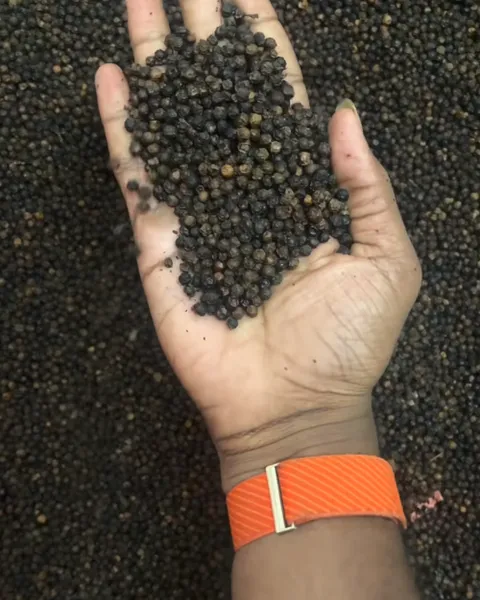 Different Grades of Black Pepper ExplainedWhat Small, Mixed, Bold and Extra Bold really mean, and how to compare two pepper samples.Read the guide →
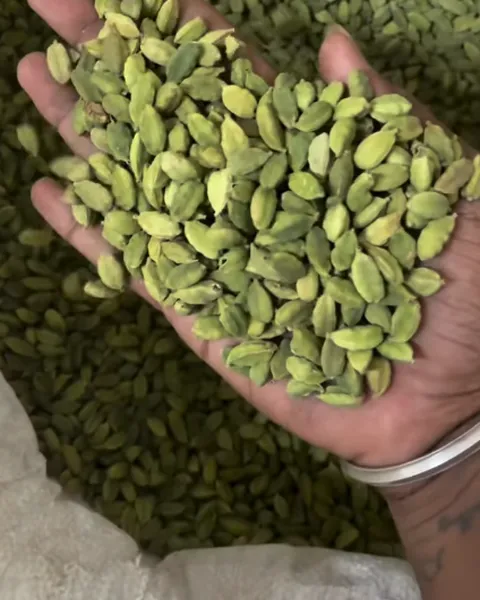 Green Cardamom Wholesale Buying GuidePod size, colour, aroma, splits and landed cost: what to check before buying elaichi in bulk.Read the guide →
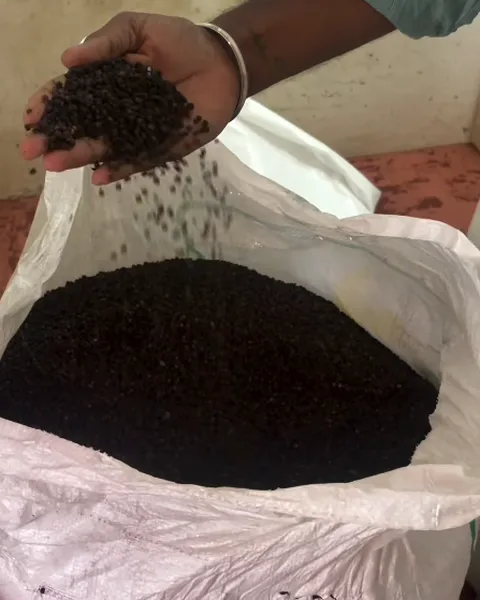 How to Buy Wholesale Spices for a Grocery BusinessA step-by-step sourcing, stock and reorder system for grocery and provision stores.Read the guide →