
Different Grades of Black Pepper Explained: A Practical Guide for Buyers
Understand black pepper grades before buying in bulk. Learn how size, density, cleanliness, moisture, appearance and supplier specifications affect wholesale selection.
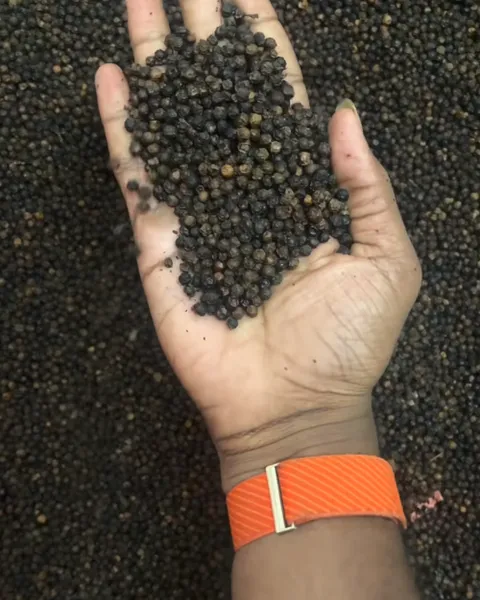
Why understanding black pepper grades matters
When comparing black pepper wholesale offers, buyers often see descriptions such as Small, Mixed, Bold and Extra Bold, along with other trade or regional grade names. These labels can help organise commercial lots, but the name by itself may not tell you everything about the product. Different suppliers and markets may use grade labels differently.
The safest way to buy is to treat a grade name as the beginning of the discussion—not the complete specification. Ask what the grade means for that supplier’s current lot, how it is sorted, what size or density range is expected and what quality parameters are included in the quotation.
What determines a black pepper grade?
Commercial grading may consider one or more physical and quality characteristics. The parameters that matter most depend on the intended use and the buyer-supplier agreement.
Berry size
Size is one of the easiest characteristics to notice. A lot may be separated into smaller and larger berries, or sold as a mixed-size lot. If size is important, ask whether it is measured using a screen or another defined method, and request the size range or tolerance.
Density and bulk characteristics
Some pepper trade descriptions use density-related terms or measurements. Density can help distinguish lots with different proportions of heavier and lighter berries. Ask the supplier what test or measurement is being used and whether the result is part of the written specification. Do not compare density figures unless the test basis and units are the same.
Cleanliness and foreign matter
Cleanliness refers to the amount of unwanted material present in the lot. Ask about visible dust, stems, stones, damaged berries and other foreign matter. The words ‘cleaned’ or ‘machine cleaned’ should be tied to a real process and an agreed acceptance standard.
Moisture
Moisture is important for storage and handling. If your procurement process requires a moisture limit, specify the method and acceptance criteria before purchase. A general statement that a lot is dry is not a substitute for an agreed test result.
Colour, aroma and condition
Colour and aroma are useful sensory checks, but they do not independently establish a formal grade or prove food safety. Check for an appropriate characteristic pepper aroma and investigate musty, stale or unusual odours.
Common commercial descriptions: what buyers should ask
The following descriptions are commonly encountered in trade conversations. They are explanatory labels, not a universal grading standard. The actual meaning must be confirmed with the supplier for each lot.
Small
A Small description generally signals a lot selected or offered with smaller berries relative to the supplier’s other categories. Ask for the actual size range, uniformity and whether the lot contains a permitted proportion of mixed sizes.
Mixed or bulk mixed
A mixed lot may contain a broader range of berry sizes or characteristics. It can suit applications that do not require a tightly uniform appearance. Ask exactly what is mixed: size, colour, density or another attribute. ‘Mixed’ should never be left undefined in a purchase order.
Bold
Bold is often used commercially to indicate a larger berry selection compared with a smaller or mixed category. Ask the supplier to specify the size range and acceptable variation. Do not assume all suppliers’ Bold categories are identical.
Extra Bold
Extra Bold commonly signals a further selected larger-size category in a supplier’s range. Confirm the actual size basis, sample appearance and price difference. A larger berry category may cost more, but it is only right if it suits your resale or processing requirements.
Why grade names are not enough
Imagine two suppliers offering ‘Bold Black Pepper’. One may define Bold using a particular screen size, while another may use a visual sorting category. The names sound identical, but the lots may not be comparable. This is why purchase orders should state the supplier’s actual specification, not only the grade label.
A useful specification should describe the product in a way that can be checked when goods arrive. Depending on the transaction, it may include size range, acceptable variation, foreign matter, broken or damaged material, moisture, packaging, net weight and sampling or inspection arrangements.
How to compare two black pepper samples
- Ask for samples that represent the current lots being quoted.
- Label each sample with supplier, date, quoted grade and lot reference.
- Compare appearance and size spread on the same clean surface and under similar lighting.
- Check for visible foreign matter and damaged berries.
- Assess aroma and note any unusual or musty smell.
- If a numerical parameter is important, use an agreed test method rather than visual estimation.
- Record which sample was approved and require the dispatched lot to match the written specification.
Choose a grade based on your business use
- Retail whole-spice packs: appearance, size consistency and customer expectations may be important.
- Grinding and masala production: discuss aroma, cleanliness, processing suitability and consistency with your production requirements.
- Wholesale redistribution: repeatability of specification, reliable packing and predictable landed cost may matter more than choosing the largest size.
- Institutional or food-service supply: align the grade with the recipe, procurement specification and receiving checks.
There is no single ‘best’ grade for every buyer. The best choice is the lot that meets your actual specification at an acceptable landed cost.
Questions to ask a black pepper supplier
- What does this grade name mean for the current lot?
- What is the size range and how is it measured?
- Is the lot mixed, sorted or graded? What does that process include?
- What are the agreed limits for foreign matter and damaged berries?
- Is a moisture specification available, and what test method is used?
- Can I receive a representative sample?
- Will the dispatched lot match the approved sample and written specification?
- What are the minimum order quantity, packing, freight and payment terms?
Black pepper grades at Mavi Traders
We currently sell three grades of whole black pepper, graded by berry size. We do not currently offer Mixed or Extra Bold lots.
| Grade | What it is | Buyers usually choose it for |
|---|---|---|
| Small | The smallest berries in our range, at the lowest per-kg rate | Grinding, pepper powder and masala blends |
| Medium | Mid-size berries, the everyday grade | Retail repacking and grocery shops |
| Bold | The largest berries we sell | Whole-pepper retail packs and hotels |
All three come in 30 kg and 50 kg bags at the same per-kg rate, and in resale packs from 250 g, so you can compare grades side by side before ordering bags. Today's rates are on the black pepper page.
Frequently asked questions
Are black pepper grades the same across all suppliers?
Not always. Trade descriptions can vary. Ask each supplier for the measurable specification behind the grade name and compare samples on the same basis.
What is the difference between Bold and Extra Bold black pepper?
These are commonly used commercial size descriptions, with Extra Bold generally indicating a larger selected category. The exact size range and tolerance must be confirmed with the supplier.
Is mixed black pepper lower quality?
Not automatically. A mixed lot may be suitable for applications that do not require uniform berry size. Evaluate cleanliness, aroma, specification and intended use rather than judging by the word ‘mixed’ alone.
Does bigger peppercorn size mean stronger flavour?
Size alone is not a reliable measure of flavour strength or quality. Aroma and suitability should be evaluated separately.
How can I verify a black pepper grade?
Request the supplier’s written specification and a representative sample. For parameters requiring numerical confirmation, agree on a suitable test method and acceptance criteria.
Can I request current black pepper grade availability from Mavi Traders?
Yes. The black pepper page shows Small, Medium and Bold with today's rate and stock. For photos of the current lot, message us on WhatsApp with the grade, quantity and delivery PIN code.
More buying guides
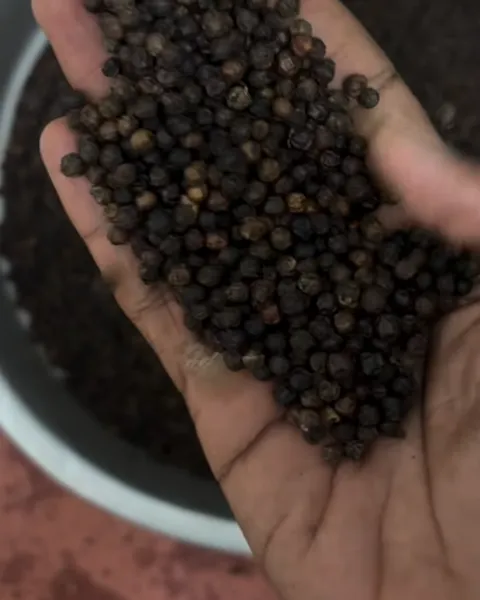 Black Pepper Wholesale Buying GuideHow to compare grades, samples, packing and landed cost before you order black pepper in bulk.Read the guide →
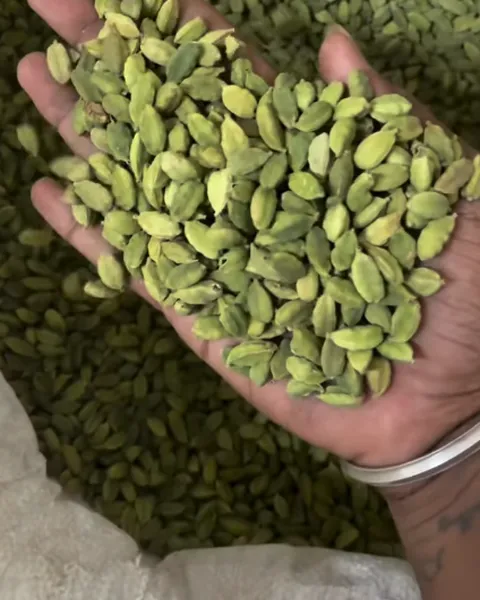 Green Cardamom Wholesale Buying GuidePod size, colour, aroma, splits and landed cost: what to check before buying elaichi in bulk.Read the guide →
 How to Buy Wholesale Spices for a Grocery BusinessA step-by-step sourcing, stock and reorder system for grocery and provision stores.Read the guide →